Henry Lockey Hill, London 1833 (EN029)
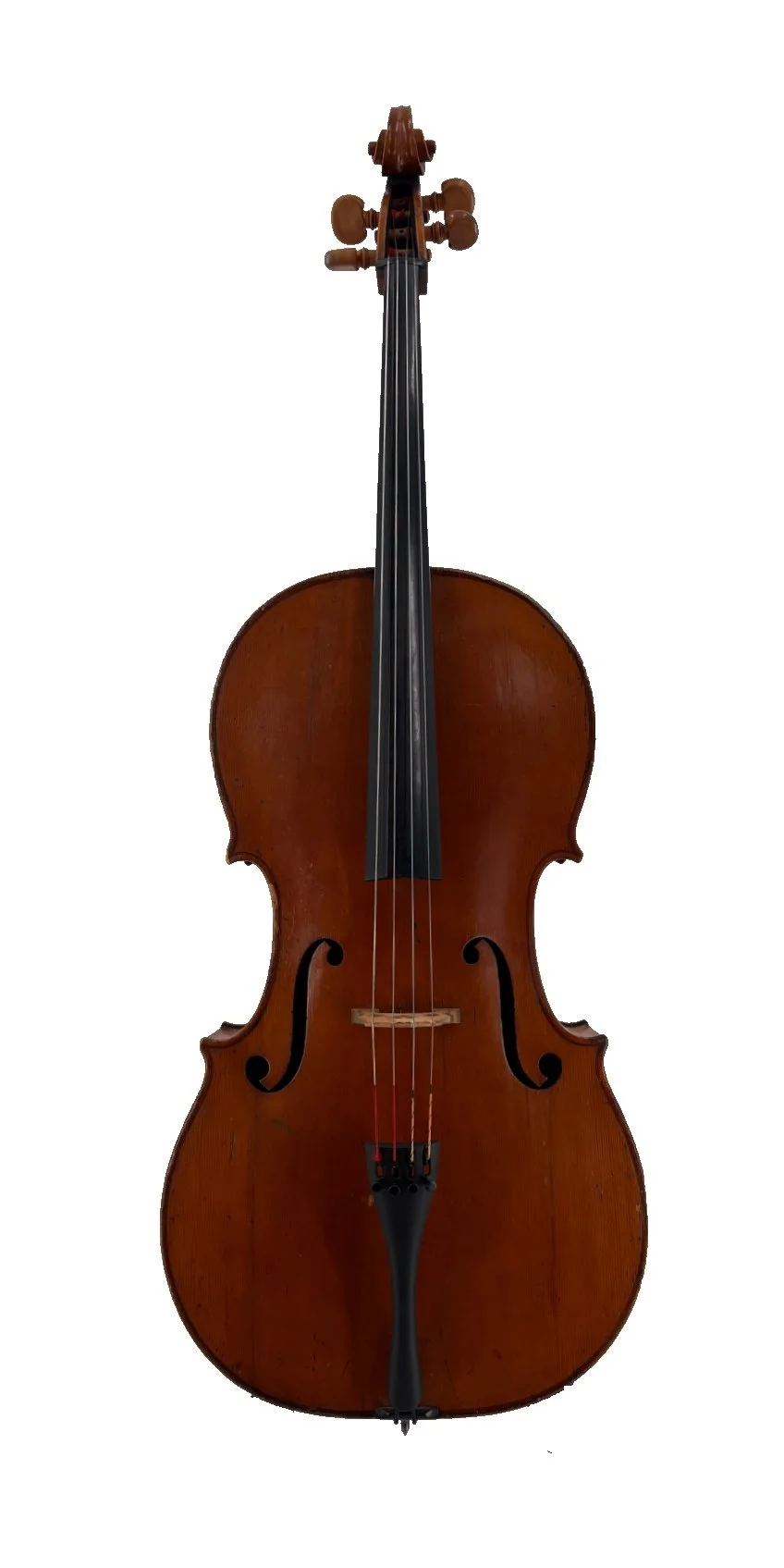
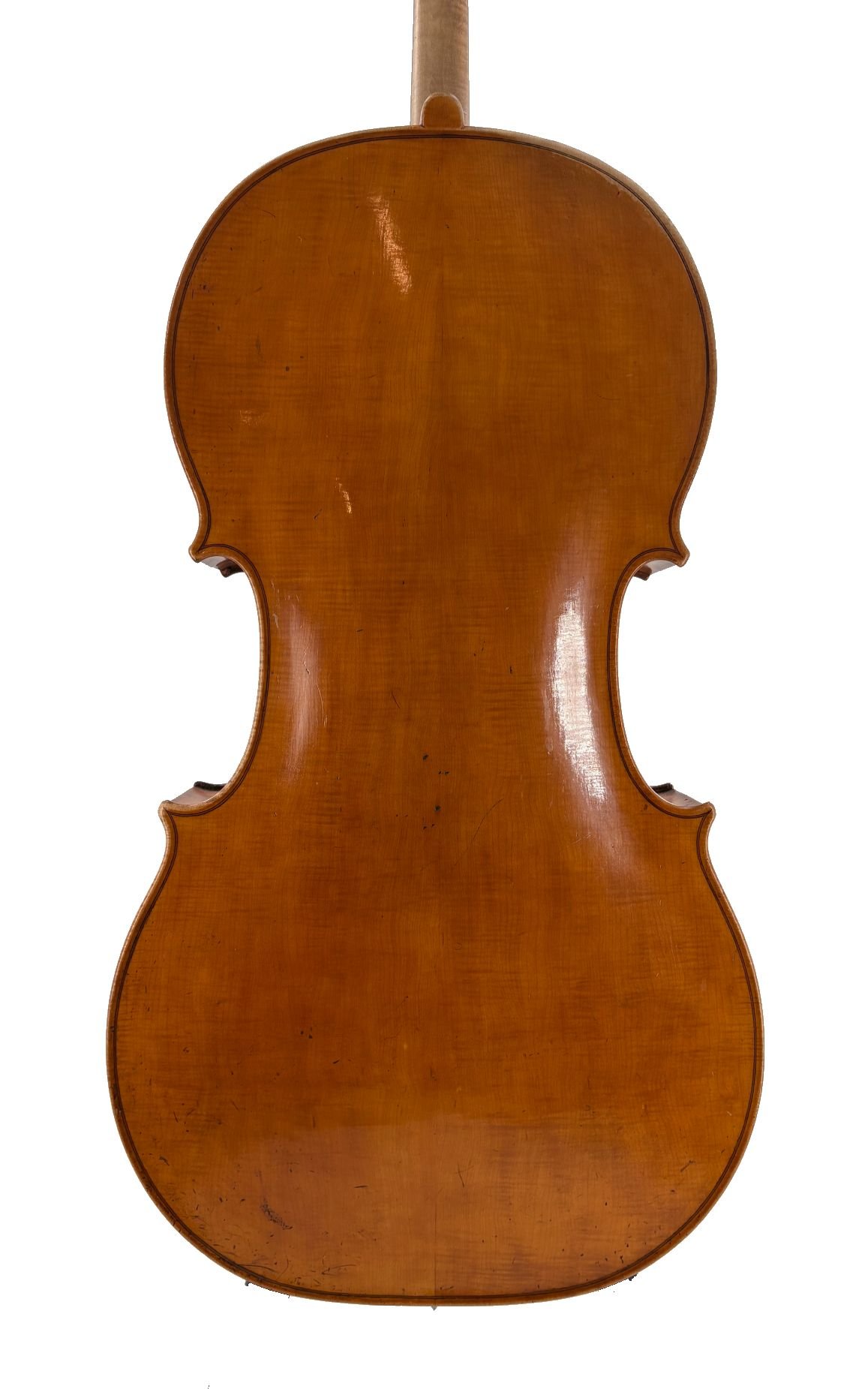
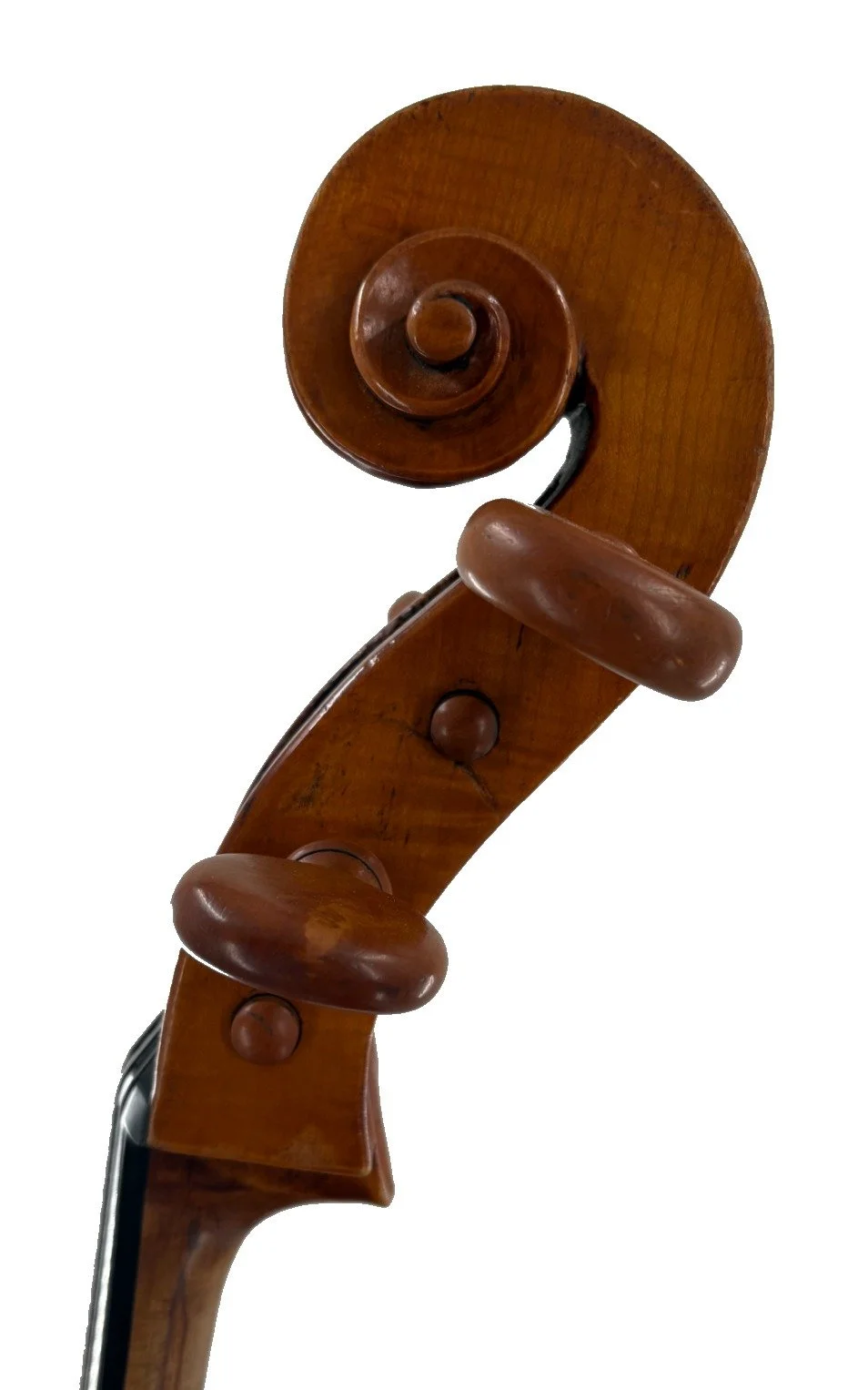
Henry Lockey Hill, London 1833 (EN029)
Henry Lockey Hill occupies a singular place in the history of British violin making. He stands at the crossroads between the old English school — instruments modelled largely after Stainer — and the more refined, modern approach that looked to Cremona, and Stradivari above all, as its ideal. That he bridged these two worlds so successfully was, in part, the result of an extraordinary and turbulent life.
Hill was born into the trade: his father, Lockey Hill (1756–1796), was a violin maker, and Henry apprenticed under him before spending formative years working at the celebrated London shop of John Betts. The Betts establishment was among the most important dealers in fine string instruments of the age, and it was there that Henry came into close contact with the work of the Italian masters — an exposure that would define the rest of his career.
His father's story ended grimly. In 1795, Lockey Hill was convicted of stealing a bay gelding valued at £10 and was hanged at Newgate Prison the following year. Henry was in his early twenties.
Henry's own brushes with the law were scarcely less dramatic. In 1801 he was sentenced to seven years' transportation for theft and confined to a prison hulk — one of the decrepit floating gaols moored on the Thames. He escaped, was recaptured, and only avoided the death penalty by agreeing to a term of military service. That his career survived at all is remarkable. It seems clear that John Betts interceded on his behalf: vouching for his character, offering him shelter within the trade, and giving him the means to redirect his considerable abilities. In an era when family reputation counted for everything, Betts's patronage may well have saved Henry's life — and certainly saved his legacy.
That legacy proved to be extraordinary. Henry's son, William Ebsworth Hill, went on to found W. E. Hill & Sons, the most influential violin-making and dealing firm of the nineteenth and twentieth centuries. The father's turbulent journey, it seems, produced one of the finest lineages in the history of string instruments.
This cello follows a Stradivari model, on the smaller side with a back length of 736mm — a popular size in the period. It is in very good condition; there are some crack repairs to the front and ribs, but remarkably, neither the back nor the scroll show any such intervention.
The label reads HILL's from John Betts, London, Nov 1833, reflecting the long professional relationship Hill maintained with the Betts shop well after his time working there, supplying instruments and undertaking repairs. Provenance is further confirmed by a 1953 purchase receipt from John & Arthur Beare — one of the most respected names in the trade — attesting to the instrument's attribution.
What is harder to document, but impossible to ignore, is what this cello does when played. Most instruments either impose a sound on the player or demand that the player wrest one from them. This cello does neither. It responds to a sensitive touch, yields to phrasing, and allows the player to genuinely shape the music — fulfilling its side of the partnership rather than dictating the terms. It is an instrument that seems to mature with each session, and will only deepen with time and playing.
Please inquire about the price.
The length of back is 736mm, high resolution photos available on request.